How Culinary Education Shapes the Future of Hilton Head Island’s Food
Food on Hilton Head Island has always carried a deeper meaning. It reflects the land, the tides, and the cultures that shaped the Lowcountry…


Food on Hilton Head Island has always carried a deeper meaning. It reflects the land, the tides, and the cultures that shaped the Lowcountry…
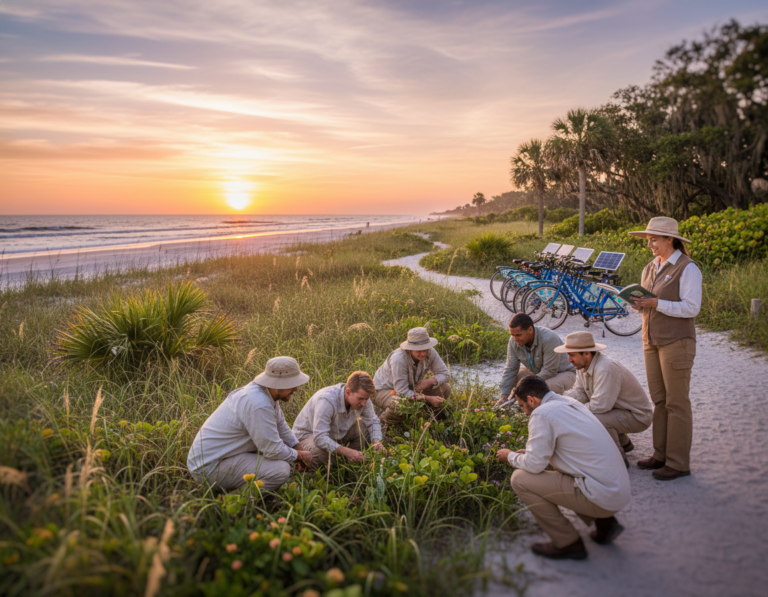
There’s a moment on Hilton Head Island that happens just after sunrise, when the beach is nearly empty and the light softens the dunes. The air smells faintly of salt and marsh grass, and for a few quiet minutes, it feels like the island is exhaling. That’s when it clicks. Hilton Head isn’t just a vacation destination. It’s a place shaped by nature, history, and a community that has learned how to protect both.
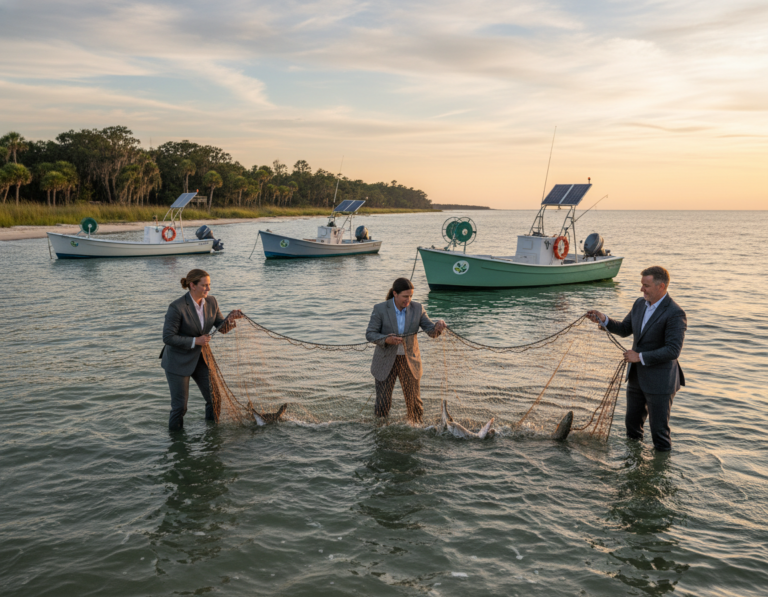
There’s something unmistakable about the way Hilton Head smells in the early morning. Salt hangs in the air, marsh grasses sway with the tide, and somewhere nearby, the day’s catch is already being unloaded. Seafood here isn’t just a menu option. It’s part of the island’s rhythm, shaping how locals eat, how restaurants operate, and how visitors come to understand the Lowcountry.
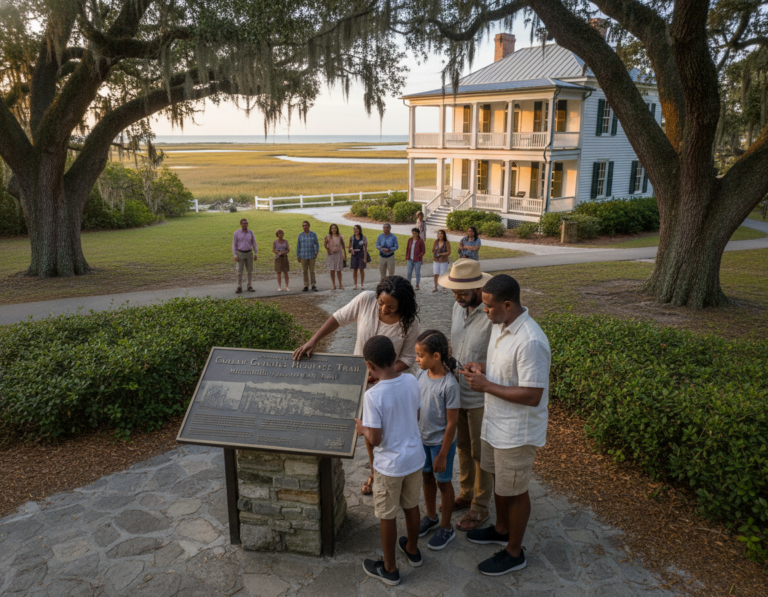
Some places invite you to relax. Others invite you to remember. Hilton Head Island belongs firmly in the second category. Beneath its modern reputation as a coastal getaway lies a layered history shaped by resilience, cultural preservation, and families who refused to let their stories disappear. For travelers interested in ancestry and heritage, Hilton Head offers something rare: a place where history is not reduced to plaques and timelines, but still lives in the landscape, the community, and the voices willing to share it.
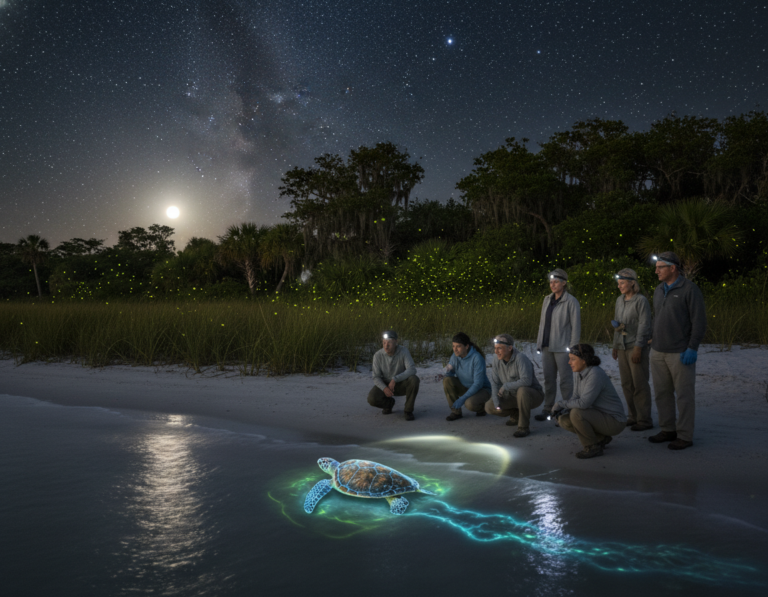
As Hilton Head Island has a reputation for sun-soaked beaches and leisurely days, but the island reveals an entirely different personality once the light fades. As evening settles in, the pace slows, sounds shift, and nature quietly takes center stage. For those willing to step outside after dark, Hilton Head offers a rare opportunity to experience wildlife, landscapes, and skies that most visitors never see.
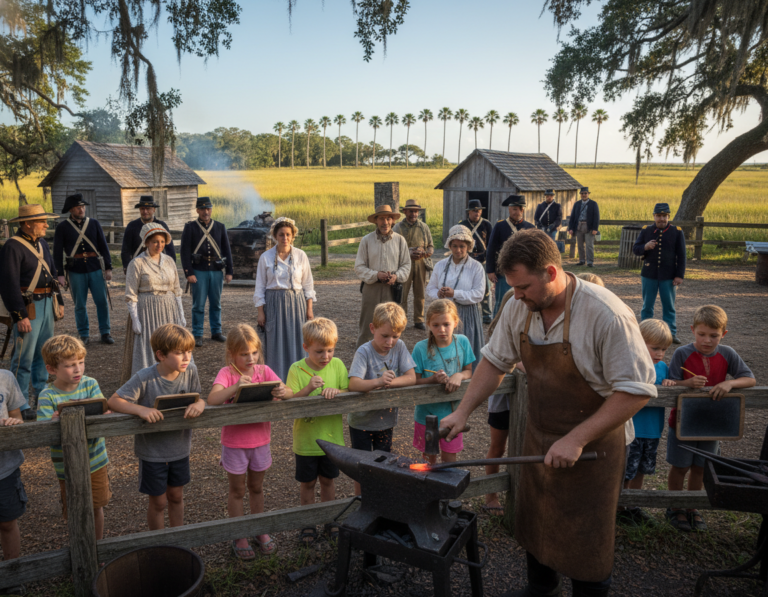
History on Hilton Head Island doesn’t live quietly behind glass or plaques. It speaks, moves, and invites participation. For visitors and locals alike, the island’s past becomes most meaningful when it is experienced rather than observed. Through historical reenactments and living history programs, Hilton Head has transformed education into something tactile and personal, allowing people to step directly into the stories that shaped the Lowcountry.
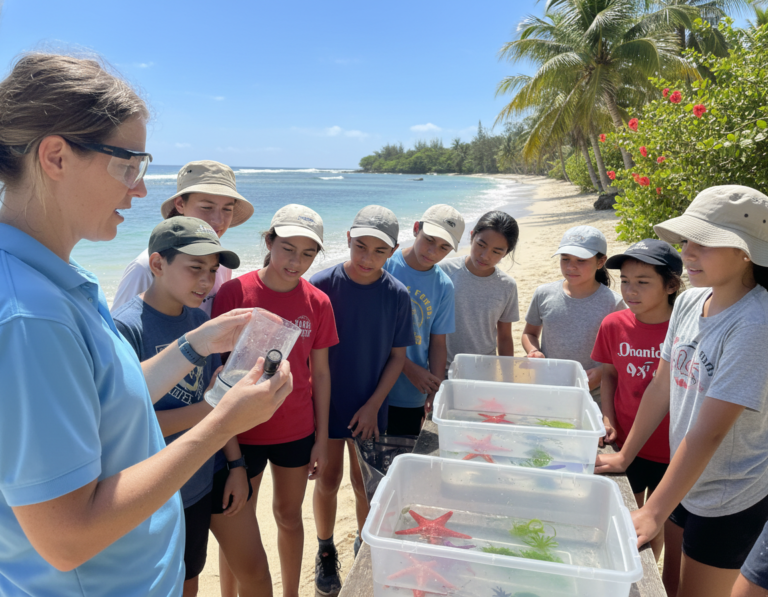
Hilton Head Island has always been defined by water. It shapes the land, moderates the climate, and quietly dictates the rhythm of daily life. For many visitors, that relationship stays surface-level, experienced through beach walks and boat rides. But beneath the calm surface of creeks, marshes, and sounds, the island’s waters are constantly teaching. Over the years, local institutions have recognized that education here doesn’t belong solely in classrooms. It belongs in waders, on docks, and knee-deep in pluff mud.
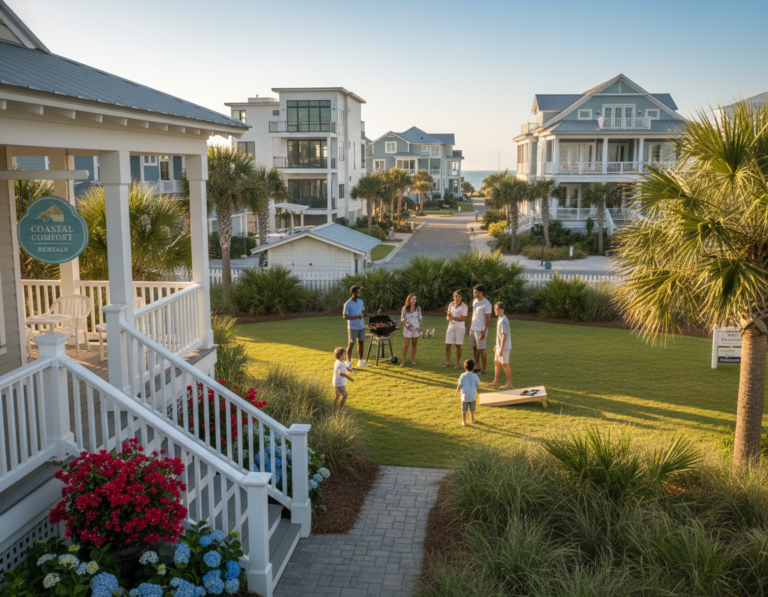
Hilton Head Island has always been a place people come to slow down. For decades, its neighborhoods were shaped by seasonal rhythms, familiar faces, and a sense that life here moved differently than it did elsewhere. But in recent years, that rhythm has begun to change. Quiet streets now turn over weekly. Houses once occupied year-round sit dark for months, then suddenly fill with vacationers. The shift isn’t subtle, and for many long-term residents, it feels personal.
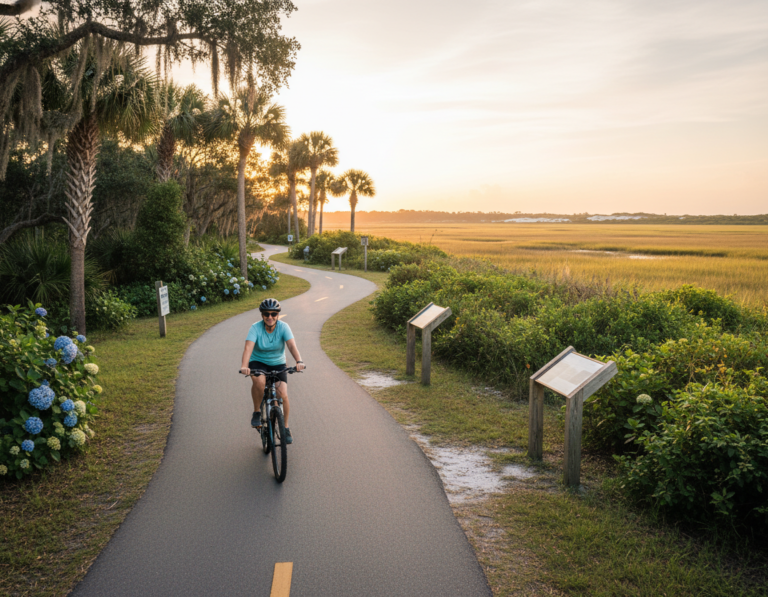
Hilton Head Island is often experienced at sea level. The rhythm of waves, the ease of beachfront bike paths, the comfort of knowing exactly where the day will lead. It’s a version of the island that works beautifully, especially for first-time visitors. But there is another Hilton Head waiting just beyond the shoreline routes, one that reveals itself only when you turn inland, slow your pace, and ride without an agenda.