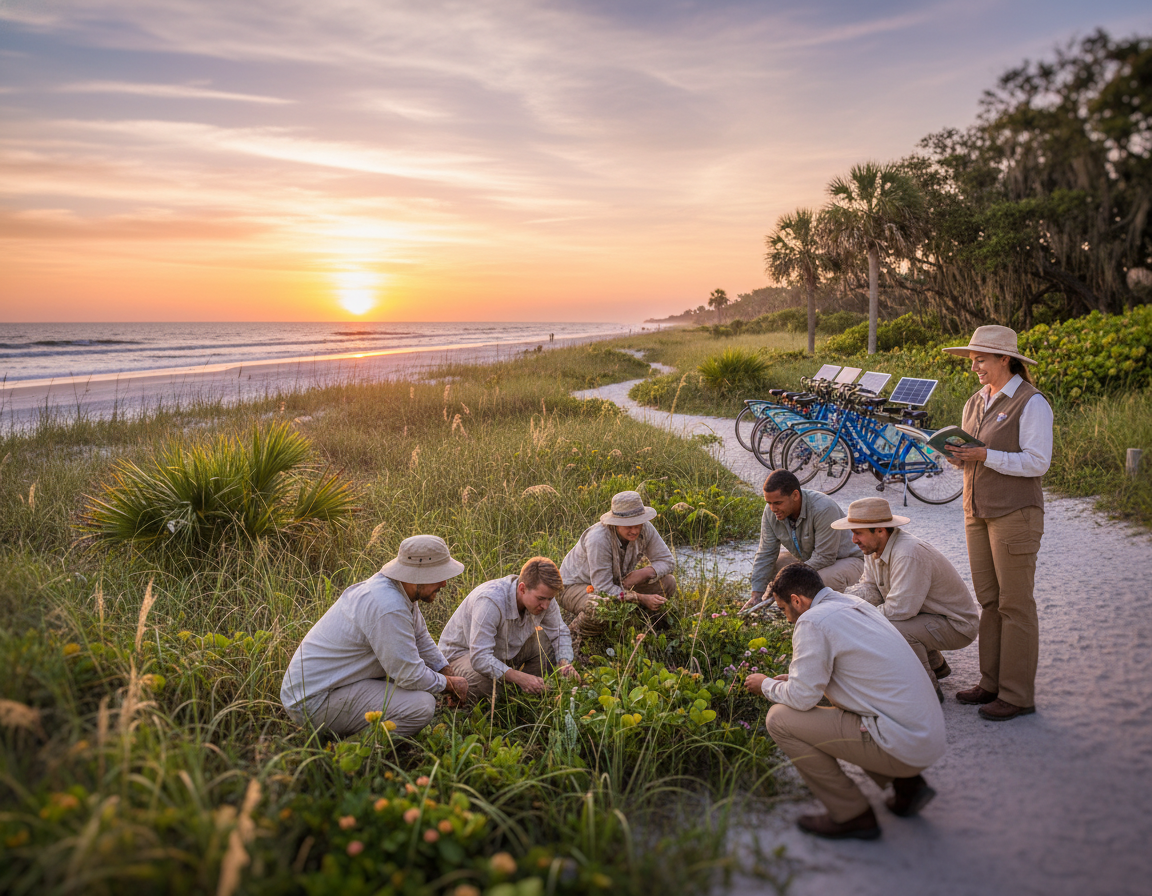
Exploring Hilton Head Through Eco-Tourism, Conservation, and Local Culture
There’s a moment on Hilton Head Island that happens just after sunrise, when the beach is nearly empty and the light softens the dunes. The air smells faintly of salt and marsh grass, and for a few quiet minutes, it feels like the island is exhaling. That’s when it clicks. Hilton Head isn’t just a vacation destination. It’s a place shaped by nature, history, and a community that has learned how to protect both.
Eco-tourism here isn’t flashy or forced. It’s woven into everyday island life, from how the land is preserved to the way locals explore it. Travelers who slow down and look past the obvious quickly discover that Hilton Head offers something deeper than a standard beach getaway.
Where Nature Shapes the Experience
Hilton Head’s landscape has always been its greatest asset, and much of it remains intentionally untouched. Places like the Sea Pines Forest Preserve feel worlds away from the resort side of the island, even though they sit just minutes from the beach. Walking its shaded trails or pausing along the boardwalks that cross wetlands, you’re reminded how much effort has gone into keeping these ecosystems intact.
Pinckney Island National Wildlife Refuge offers a similar experience, especially for visitors willing to trade flip-flops for walking shoes. The refuge’s open marshes, tidal creeks, and quiet ponds attract birdwatchers year-round, and early mornings often bring sightings of egrets, herons, and the occasional alligator basking near the water’s edge.
Out on the water, eco-focused tours reveal a different side of the island. Kayaking through the salt marsh with operators like Outside Hilton Head or Coastal Expeditions allows you to move at the pace of the tides. Dolphins surface without warning, fiddler crabs scatter along the banks, and the island feels less like a resort and more like a living, breathing ecosystem.
Wildlife Encounters That Feel Personal
Hilton Head’s wildlife experiences don’t feel staged. They feel earned. During warmer months, guided dolphin tours depart from places like Broad Creek Marina, offering a closer look at the island’s resident pods. Unlike faster-paced boat excursions elsewhere, these tours often emphasize education and observation over spectacle.
Sea turtle nesting season brings another layer of meaning to the island’s conservation efforts. Local organizations and volunteers work quietly behind the scenes to protect nests along the beaches, often coordinating with visitors to ensure the turtles remain undisturbed. For travelers paying attention, it’s a reminder that tourism here exists alongside responsibility.
Sustainable Stays With a Sense of Place
Eco-conscious travel on Hilton Head doesn’t require giving up comfort. Many resorts and vacation rentals have embraced sustainability in subtle but meaningful ways. The Westin Hilton Head Island Resort & Spa, for example, has implemented energy-saving measures and responsible sourcing practices that align with the island’s conservation values while still delivering a luxury experience.
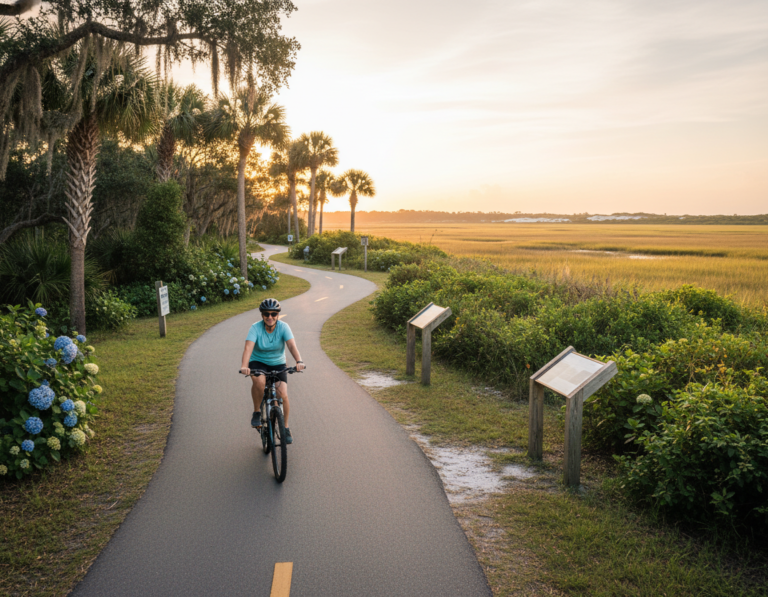
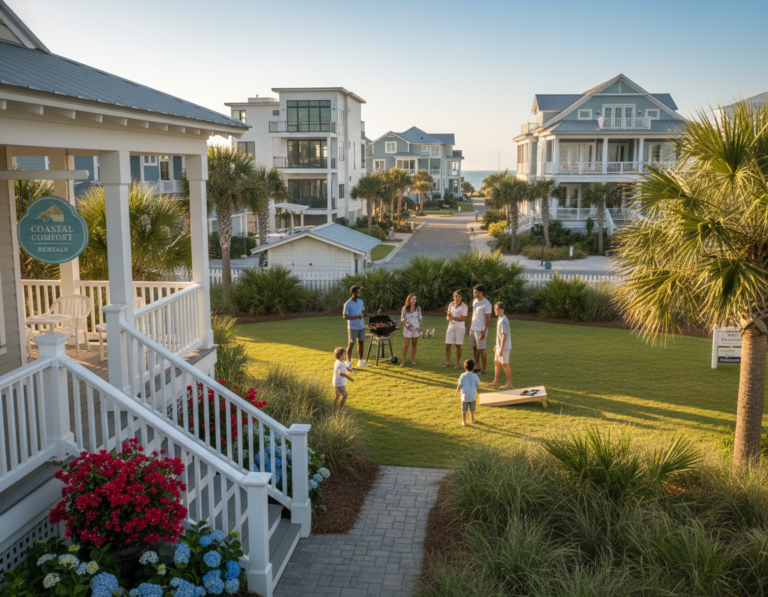
In Sea Pines and Palmetto Dunes, vacation rentals are increasingly designed to blend into their surroundings rather than dominate them. Staying in these communities often means easy access to bike paths, beaches, and nature preserves, making it possible to leave the car parked and explore the island the way locals do.
Eating Local, Eating Thoughtfully
Food is another window into Hilton Head’s eco-tourism culture. Restaurants that prioritize local sourcing tell a story about the Lowcountry with every plate. Skull Creek Boathouse, perched along the water, is known not just for its views but for its commitment to regional seafood, often sourced from nearby waters.
Just off the island, Bluffton’s FARM has become a destination for diners interested in seasonal, ingredient-driven meals that reflect what’s available right now, not what’s trendy. These meals feel connected to the land and the people who work it.
For a more casual but equally meaningful experience, the Farmers Market at the Coastal Discovery Museum brings together local growers, artisans, and food producers in one spot. Wandering the stalls often turns into conversations about farming, fishing, and the rhythms of island life, adding depth to what might otherwise be a simple shopping trip.
Culture Preserved Through Community
Hilton Head’s eco-tourism story isn’t complete without its cultural roots. Mitchelville Freedom Park stands as one of the most powerful examples of how history and preservation intersect on the island. As the site of the first self-governed town of formerly enslaved people in the United States, Mitchelville offers visitors a chance to connect with stories that shaped both the island and the nation.
Gullah Geechee culture remains deeply embedded in Hilton Head’s identity, and cultural tours and heritage programs help keep these traditions visible and respected. These experiences aren’t presented as performances, but as living history shared by people with generational ties to the island.
The People Behind the Preservation
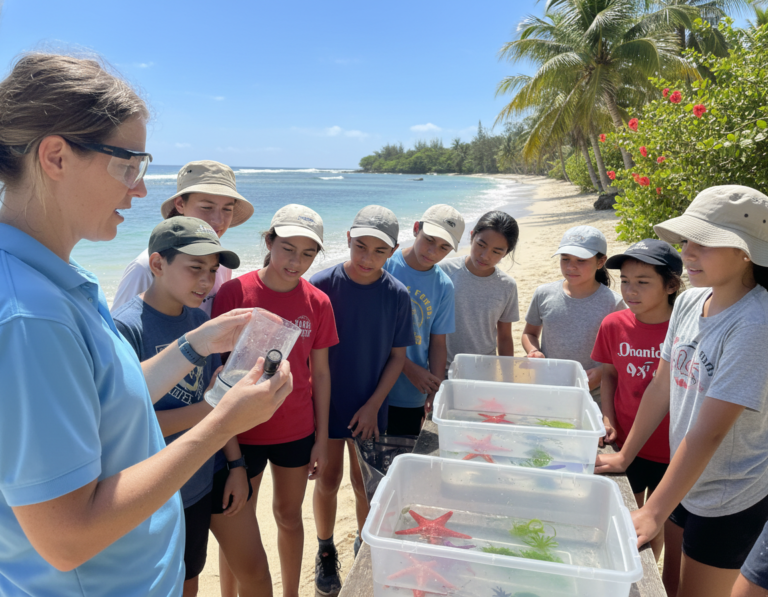
Much of Hilton Head’s sustainability success comes down to the people who live and work here. The Coastal Discovery Museum plays a central role in environmental education, offering programs that teach visitors and residents alike about marsh ecology, native plants, and local wildlife.
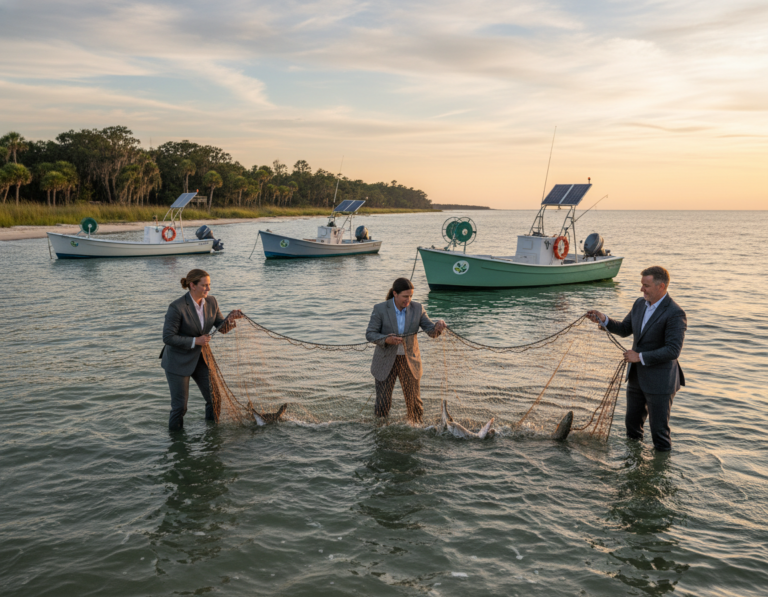
On the water, educators like those with Spartina Marine Education Charters focus on teaching rather than entertaining, helping guests understand how delicate the surrounding ecosystems are and why protecting them matters. Youth programs and volunteer-led conservation efforts further reinforce the idea that eco-tourism on Hilton Head is a shared responsibility, not a marketing label.
Experiencing the Island With Intention
Exploring Hilton Head sustainably often means adjusting expectations. Spring and fall bring cooler temperatures and fewer crowds, making them ideal seasons for hiking, biking, and paddling. The island’s extensive network of bike paths encourages visitors to slow down and experience neighborhoods, beaches, and natural areas in a more connected way.
Small choices, like using reef-safe sunscreen or supporting local businesses instead of national chains, add up. Over time, they help preserve the very qualities that draw people to Hilton Head in the first place.
A Different Kind of Island Escape
Eco-tourism on Hilton Head Island doesn’t announce itself loudly. It shows up in quiet marsh creeks, protected forests, thoughtful meals, and conversations with locals who care deeply about this place. For travelers willing to look beyond the surface, the island offers an experience rooted in balance, where nature, culture, and community coexist.
Hilton Head isn’t just teaching visitors how to vacation differently. It’s showing them how to engage with a place in a way that leaves it just as beautiful as they found it.