
How Seafood Is Shaping Hilton Head’s Coastal Dining Culture
There’s something unmistakable about the way Hilton Head smells in the early morning. Salt hangs in the air, marsh grasses sway with the tide, and somewhere nearby, the day’s catch is already being unloaded. Seafood here isn’t just a menu option. It’s part of the island’s rhythm, shaping how locals eat, how restaurants operate, and how visitors come to understand the Lowcountry.
On Hilton Head, seafood sustainability isn’t a buzzword tossed around for marketing appeal. It’s a reflection of how closely tied the island remains to its surrounding waters and the people who make a living from them. From docks and oyster beds to dining rooms and farmers markets, seafood connects culture, economy, and conservation in a way that feels deeply personal.
A Coastal Heritage Rooted in the Water
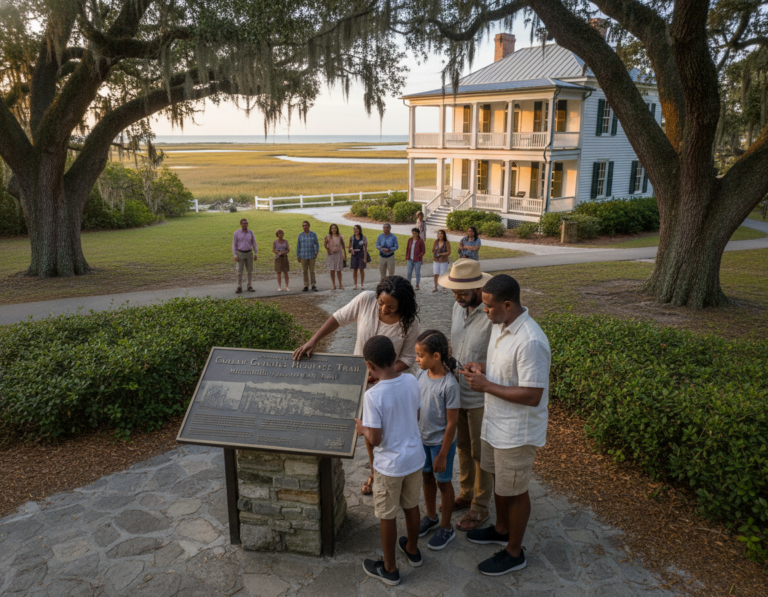
Hilton Head’s relationship with seafood stretches back generations, shaped by the island’s geography and its Gullah Geechee heritage. Long before the island became a vacation destination, fishing, shrimping, and oystering were ways of life. Those traditions still influence how seafood is harvested and respected today.
The surrounding estuaries and waterways, especially the Port Royal Sound, create an environment where marine life thrives. This natural abundance has made sustainable harvesting not just possible, but necessary. Local fishermen understand that protecting these waters ensures their livelihoods can continue for generations, a mindset that still guides much of the island’s seafood industry.
Sustainable Seafood as a Community Standard
Sustainability on Hilton Head isn’t enforced from afar. It’s reinforced locally, through education, partnerships, and shared responsibility. The Coastal Discovery Museum plays a central role in helping residents and visitors understand how fragile these ecosystems are, and why ethical harvesting matters. Through exhibits, programs, and events, the museum bridges the gap between the water and the plate.
Many local fishermen work within carefully managed seasons and limits, ensuring seafood populations remain healthy. This balance supports both the environment and the local economy, keeping small operations viable while preserving the character of Hilton Head’s fishing culture.
From the Docks to the Dining Room
Few places illustrate Hilton Head’s seafood story better than Hudson’s Seafood House on the Docks. Sitting directly on the water, Hudson’s sources much of its seafood from local boats, sometimes just steps away from the kitchen. Watching the tide roll in while enjoying freshly caught shrimp or oysters makes the connection between ocean and table impossible to ignore.
Just across the bridge in Bluffton, the Bluffton Oyster Company continues a long-standing tradition of harvesting oysters from nearby waters. Their operation reflects the Lowcountry’s respect for seasonality, timing, and technique. When oysters are at their best, they’re treated as something to savor, not rush.
Restaurants like Skull Creek Boathouse further anchor seafood into Hilton Head’s dining culture. With menus that shift alongside the seasons, these kitchens showcase what local waters have to offer at that moment, whether it’s shrimp, flounder, or oysters pulled fresh from nearby beds.
Chefs, Fishermen, and a Shared Responsibility
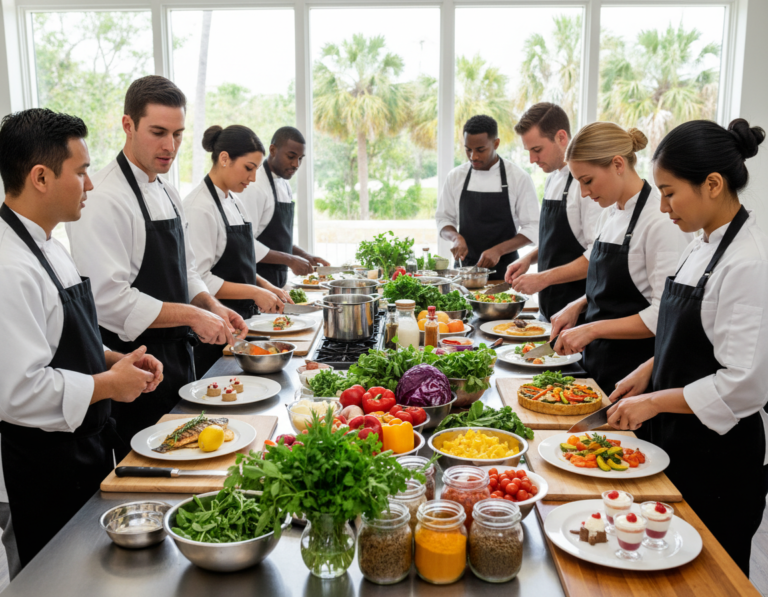
Behind every great seafood dish on Hilton Head is a network of people working together. Fishermen, chefs, distributors, and educators all play a role in shaping how seafood reaches the table. Restaurants such as Lucky Rooster emphasize thoughtful sourcing and transparency, creating menus that reflect both creativity and responsibility.
This collaboration ensures that seafood isn’t just delicious, but also ethically harvested. Many chefs maintain close relationships with local suppliers, allowing them to adapt menus based on availability rather than forcing demand on fragile ecosystems.
Seasonal Seafood and Island Traditions
Seafood on Hilton Head changes with the calendar, and locals tend to follow those rhythms closely. Shrimp are sweetest in the fall, oysters shine in cooler months, and blue crabs signal the arrival of warmer weather. These seasonal shifts influence menus across the island, encouraging diners to experience seafood as it naturally occurs rather than expecting everything year-round.
Festivals and events further celebrate this connection. Gatherings like the Bluffton Oyster Festival bring the community together around shared traditions, highlighting not just food, but the stories and people behind it.
Educating the Next Generation of Stewards
Sustainability on Hilton Head doesn’t stop at today’s diners. Youth programs, educational charters, and museum-led initiatives help instill respect for the island’s marine environment early on. These efforts ensure that future generations understand why responsible harvesting matters and how their choices can protect local waters.
Marine education tours and hands-on programs reinforce the idea that seafood isn’t just a commodity, but part of a living ecosystem that requires care and awareness.
Dining With Intention on Hilton Head
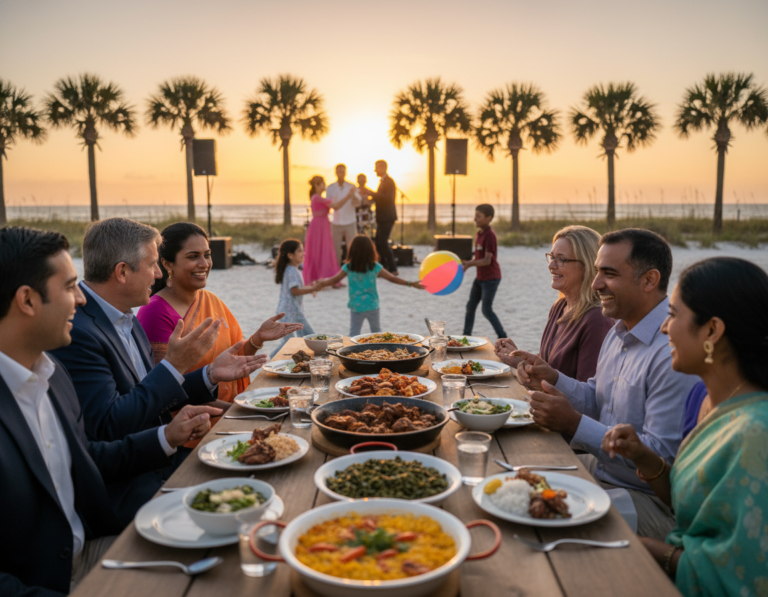
Choosing seafood on Hilton Head often means making small, thoughtful decisions. Asking where seafood comes from, supporting restaurants that work with local fishermen, and embracing seasonal menus all contribute to a healthier coastal ecosystem.
When visitors dine with intention, they become part of the island’s sustainability story. Every meal becomes an opportunity to support ethical practices, preserve cultural traditions, and keep Hilton Head’s waters thriving.
A Coastal Culture Worth Protecting
Seafood shapes Hilton Head’s dining culture in ways that go far beyond flavor. It connects history, environment, and community, reminding everyone who eats here that the island’s greatest resource lies just beyond the shoreline.
By supporting sustainable seafood and the people behind it, Hilton Head continues to honor its maritime roots while protecting them for the future. It’s a dining culture built on respect for the water, the work, and the generations who depend on both.