How Vacation Rentals Are Changing Property Ownership on Hilton Head Island
Hilton Head Island has always been a place people come to slow down. For decades, its neighborhoods were shaped by seasonal rhythms, familiar faces, and a sense that life here moved differently than it did elsewhere. But in recent years, that rhythm has begun to change. Quiet streets now turn over weekly. Houses once occupied year-round sit dark for months, then suddenly fill with vacationers. The shift isn’t subtle, and for many long-term residents, it feels personal.
The rise of short-term rentals has introduced new energy, new revenue, and new challenges to Hilton Head. While tourism has long been the backbone of the island’s economy, the scale and permanence of vacation rentals today have altered how communities function. What was once a clear line between residential life and visitor accommodations has blurred, forcing the island to confront difficult questions about housing, identity, and what it means to belong.
From Residential Island to Investment Destination
Hilton Head’s transformation did not happen overnight. The island’s appeal as a vacation destination has been growing for decades, fueled by its beaches, golf courses, and carefully managed development. What has changed is how property ownership functions within that system. Homes are no longer just places to live or even seasonal retreats. For many owners, they are financial instruments optimized for short-term revenue.
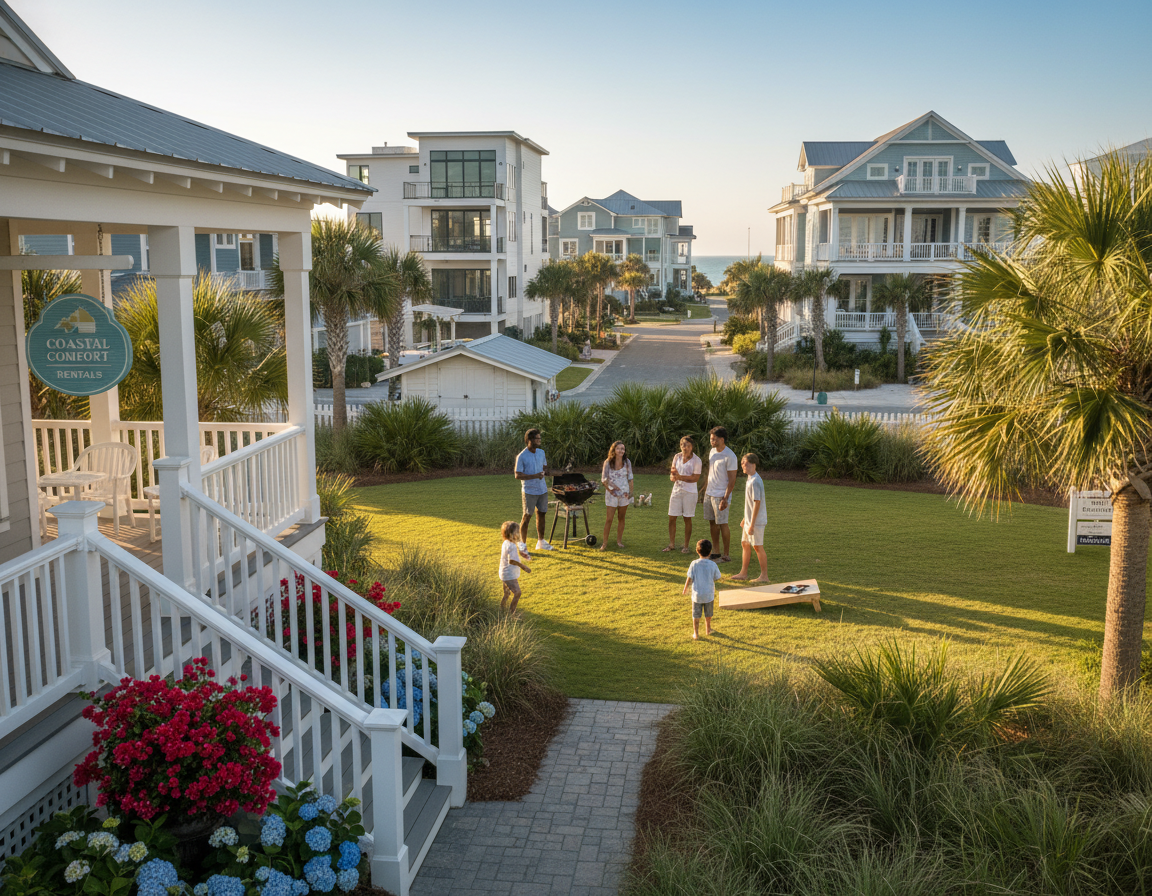
Platforms that simplify vacation rentals have accelerated this shift. Properties in areas like Forest Beach, once dominated by full-time residents and repeat seasonal visitors, now see a constant turnover of guests. The result is an island where some neighborhoods feel less like communities and more like rotating accommodations, particularly during peak travel months.
Economic Upside Meets Social Strain
There is no denying that short-term rentals bring financial benefits. Visitors support restaurants, shops, and service providers across the island. Businesses like The Lucky Rooster and other year-round establishments benefit from steady tourist traffic, helping sustain the local economy beyond the traditional summer season.
At the same time, those benefits are unevenly distributed. Rising demand for vacation rentals has pushed property values higher, which benefits owners but creates barriers for renters and first-time buyers. Long-term housing options shrink as more properties are converted to short-term use. For residents who work on the island, particularly in service and hospitality roles, finding affordable housing close to work has become increasingly difficult.
Neighborhoods in Transition
The impact of short-term rentals is felt most acutely at the neighborhood level. In places like Forest Beach, residents describe a shift from familiarity to transience. Neighbors who once knew each other’s schedules and routines now share walls with visitors who may never return. Noise, parking congestion, and a lack of continuity can erode the sense of trust that defines strong communities.
Coligny Beach offers another example. Once characterized by a mix of locals and repeat visitors, the area now experiences near-constant turnover. While some residents enjoy the energy and amenities that come with increased tourism, others feel the loss of quiet moments and long-standing relationships that once defined the area.
Longtime Residents Speak
For families with deep roots on Hilton Head, these changes are especially difficult. In Sea Pines, families who have lived on the island for generations describe watching familiar homes transition from permanent residences to short-term investments. The physical structures remain, but the social fabric feels thinner.
Service industry workers face a different but related challenge. As housing costs rise and availability declines, many are forced to live farther from the island or juggle unstable living arrangements. This disconnect affects not only workers but the businesses that rely on them, creating a cycle where staffing shortages and rising costs feed back into the broader tourism economy.
What the Numbers Reveal
Data supports what residents experience daily. Property values in high-demand areas like Palmetto Dunes and Sea Pines have risen sharply, driven in part by vacation rental demand. Rental income often outpaces what long-term tenants can afford, incentivizing owners to prioritize short-term stays.
At the same time, long-term rental prices have increased faster than wages, creating affordability gaps that disproportionately affect local workers. Seasonal occupancy patterns have also shifted, with some areas experiencing near year-round rental activity rather than traditional high and low seasons. These trends reshape how neighborhoods function and how local infrastructure is used.
Seeking Balance in a Changing Landscape
Despite these challenges, Hilton Head is not passively accepting change. Communities across the island are experimenting with ways to balance economic vitality with livability. Harbour Town, for example, has embraced mixed-use development that integrates residential space, businesses, and public gathering areas. This approach encourages year-round activity while preserving a sense of place.
Mitchelville offers another model. As development pressures increase, preservation efforts there emphasize cultural history and community engagement. By anchoring development decisions in heritage, the area resists becoming just another interchangeable destination.
Supporting Year-Round Community Life
Local businesses play a critical role in maintaining balance. Establishments that serve residents throughout the year help stabilize neighborhoods and provide continuity amid constant change. Supporting these businesses is one way residents and visitors alike can contribute to a healthier local economy.
Community programs offered through institutions like the Coastal Discovery Museum also help bridge the gap between visitors and residents. By educating guests about Hilton Head’s history, ecology, and culture, these programs encourage respectful engagement rather than transactional tourism.
Policy, Planning, and the Path Forward
Zoning regulations, housing initiatives, and community land trusts are increasingly part of the conversation on Hilton Head. These tools aim to protect residential character while allowing tourism to continue supporting the island’s economy. Success depends on thoughtful implementation and ongoing dialogue between property owners, residents, and local leadership.
No single solution will resolve the tension between short-term rentals and long-term residents. The challenge lies in recognizing that both groups are part of Hilton Head’s story and that policies must reflect the island’s unique identity rather than adopting one-size-fits-all approaches.
Preserving What Makes Hilton Head Home
At its core, the conversation about short-term rentals is about more than housing. It’s about belonging. Hilton Head’s charm has always rested on its balance between accessibility and intimacy, between welcoming visitors and sustaining community.
Change is inevitable, but erosion is not. By acknowledging the real impacts of property ownership shifts and committing to thoughtful adaptation, Hilton Head can remain a place where people don’t just visit, but truly live. The island’s future depends on finding ways to honor its past while making room for a sustainable, inclusive tomorrow.