How Culinary Education Shapes the Future of Hilton Head Island’s Food
Food on Hilton Head Island has always carried a deeper meaning. It reflects the land, the tides, and the cultures that shaped the Lowcountry long before dining became an experience. Today, that connection is being strengthened behind the scenes through a growing network of cooking schools, mentorship programs, and hands-on culinary education that reaches far beyond the plate.
What makes Hilton Head’s culinary education scene distinctive is not scale, but intention. Learning here is rooted in place, shaped by regional ingredients, and guided by chefs who view teaching as an extension of craft rather than a departure from it.
A Growing Appetite for Culinary Knowledge
Across the island, interest in culinary education has expanded quietly but steadily. Students arrive with different goals and backgrounds, some looking to refine personal skills, others seeking a new career or creative outlet. What they share is a desire to understand food more deeply, from technique to tradition.
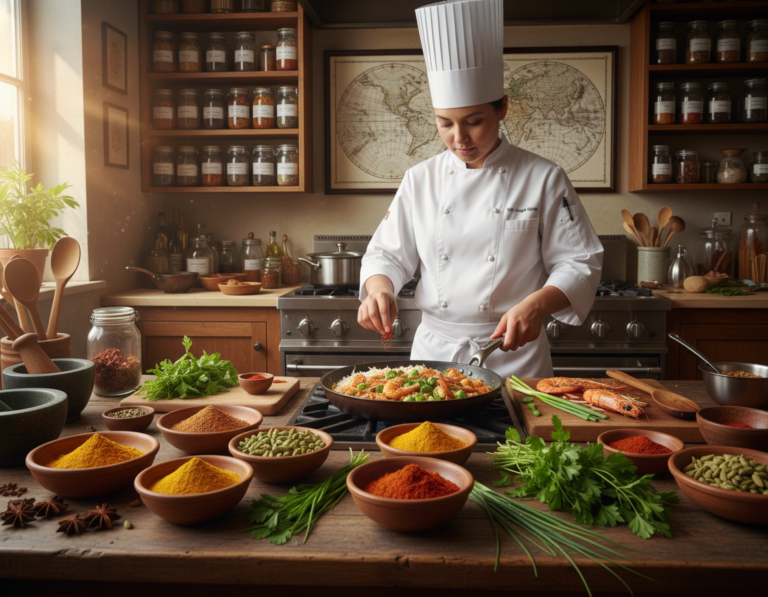
Lowcountry cuisine plays a central role in this draw. The flavors of shrimp, rice, seafood, and marsh inspired ingredients offer a foundation that feels both approachable and complex. Learning to cook here means learning to listen to the environment as much as the recipe.
Learning Spaces Rooted in Place
Hilton Head’s culinary schools reflect the island’s character. Programs offered through institutions like the Technical College of the Lowcountry provide structured training that blends classic technique with real kitchen experience. Students learn discipline, timing, and teamwork while working with ingredients that define the region.
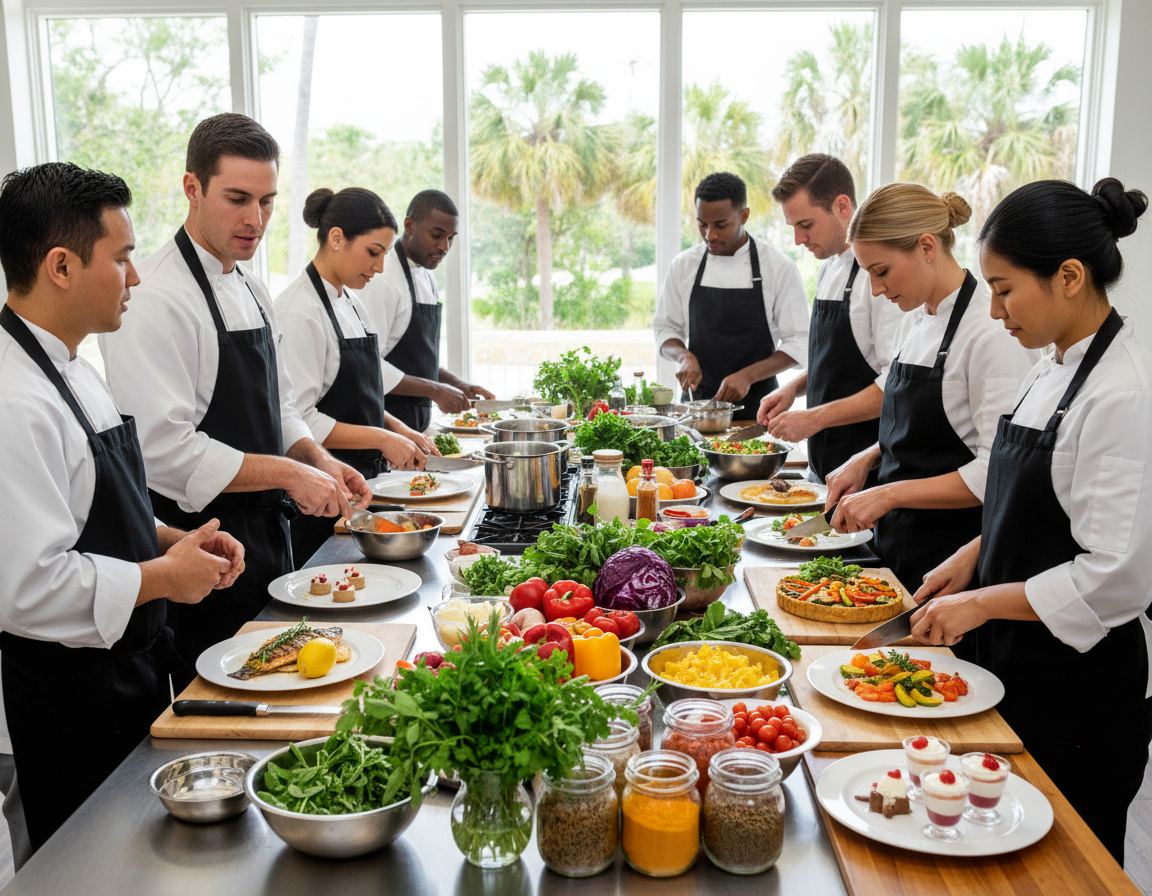
More intimate learning environments also play an important role. Cooking schools located around Coligny Plaza and Shelter Cove offer immersive experiences where students engage directly with chefs, ingredients, and each other. These settings encourage curiosity and conversation, reinforcing the idea that food is both skill and story.
The Influence of Lowcountry and Gullah Traditions
Culinary education on Hilton Head does not separate technique from history. Gullah Geechee foodways are woven into lessons, highlighting the cultural roots that shaped the region’s cuisine. Students learn that dishes are not isolated creations, but expressions of resilience, adaptation, and community.
Programs connected to places like Mitchelville emphasize preservation as much as innovation. Teaching traditional methods alongside modern interpretation ensures that heritage remains part of the island’s culinary future rather than a footnote.
Mentorship at the Heart of the Experience
Behind the island’s culinary education boom are chefs who believe mentorship is essential. Many instructors come from professional kitchens, bringing real world experience into the classroom. Their approach focuses less on perfection and more on awareness, helping students develop intuition alongside technique.
Restaurants such as Skull Creek Boathouse and Lucky Rooster Kitchen and Bar extend this learning through apprenticeships that immerse students in working kitchens. These experiences introduce the rhythm, pressure, and collaboration required in professional cooking while offering guidance that cannot be taught through textbooks alone.
From Instruction to Transformation
For many students, culinary education on Hilton Head becomes a turning point rather than a credential. Some discover new creative identities after retirement, while others refine skills that lead to leadership roles within the island’s restaurant community. The learning process often reshapes how students view food, work, and possibility.
Daily life for culinary students balances preparation with performance. Mornings focus on technique and planning, while afternoons bring real service environments where lessons are tested and refined. This blend of structure and spontaneity mirrors the reality of professional kitchens.
Strengthening the Island’s Food Culture
As graduates move into local restaurants, catering operations, and food related ventures, their influence spreads throughout the island. New ideas emerge, menus evolve, and traditional dishes gain renewed attention through thoughtful reinterpretation.
Culinary education also supports Hilton Head’s broader economy by encouraging talent retention. Students trained locally often choose to stay, contributing to a dining scene that feels cohesive rather than transient. This continuity strengthens the island’s reputation as a place where food reflects community rather than trend.
A Future Grounded in Craft and Culture
Looking ahead, Hilton Head’s culinary education landscape continues to evolve. Programs expand, partnerships deepen, and new generations of cooks step into kitchens shaped by both tradition and creativity. What remains constant is the emphasis on place.
Culinary education here is not about producing chefs at scale. It is about cultivating understanding, respect for ingredients, and connection to the Lowcountry’s living food culture. In doing so, Hilton Head ensures that its culinary future remains as grounded and meaningful as its past.